Carnaval and Lent: Why Portugal Celebrates Before the Quiet Season
Carnaval in Portugal is more than costumes and parades. It marks the last celebration before the quieter season of Lent.
Life in Lusophone: Chronicles of a Portuguese Enthusiast.
Carnaval in Portugal is more than costumes and parades. It marks the last celebration before the quieter season of Lent.
Portuguese often sounds gentle because of small, polite words that soften meaning. Here are a few you’ll hear everywhere — and why they matter.
January in Portugal isn’t about big resets or loud new beginnings — and that quieter rhythm can be surprisingly helpful for language learners.
The days between Christmas and New Year are slow and quiet in Portugal — and that makes them an unexpectedly good time for language learners.
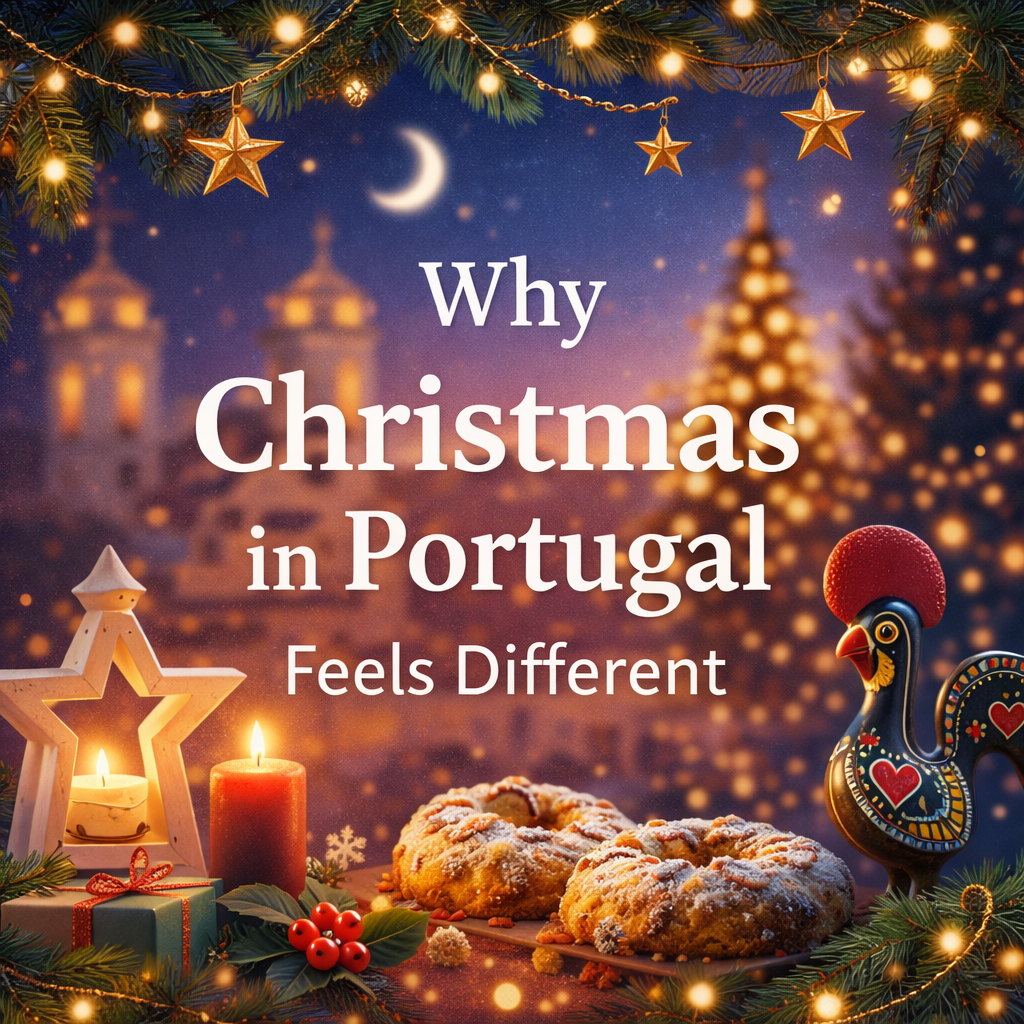
From family meals to village traditions, Christmas in Portugal has its own rhythm — and its own language.
From food and family to traditions and greetings, here are the Portuguese words you’ll hear everywhere at Christmas.
The endings -inho and -ão appear everywhere in Portuguese. Here’s what they mean, how they feel, and how you’ll actually hear them in daily life.
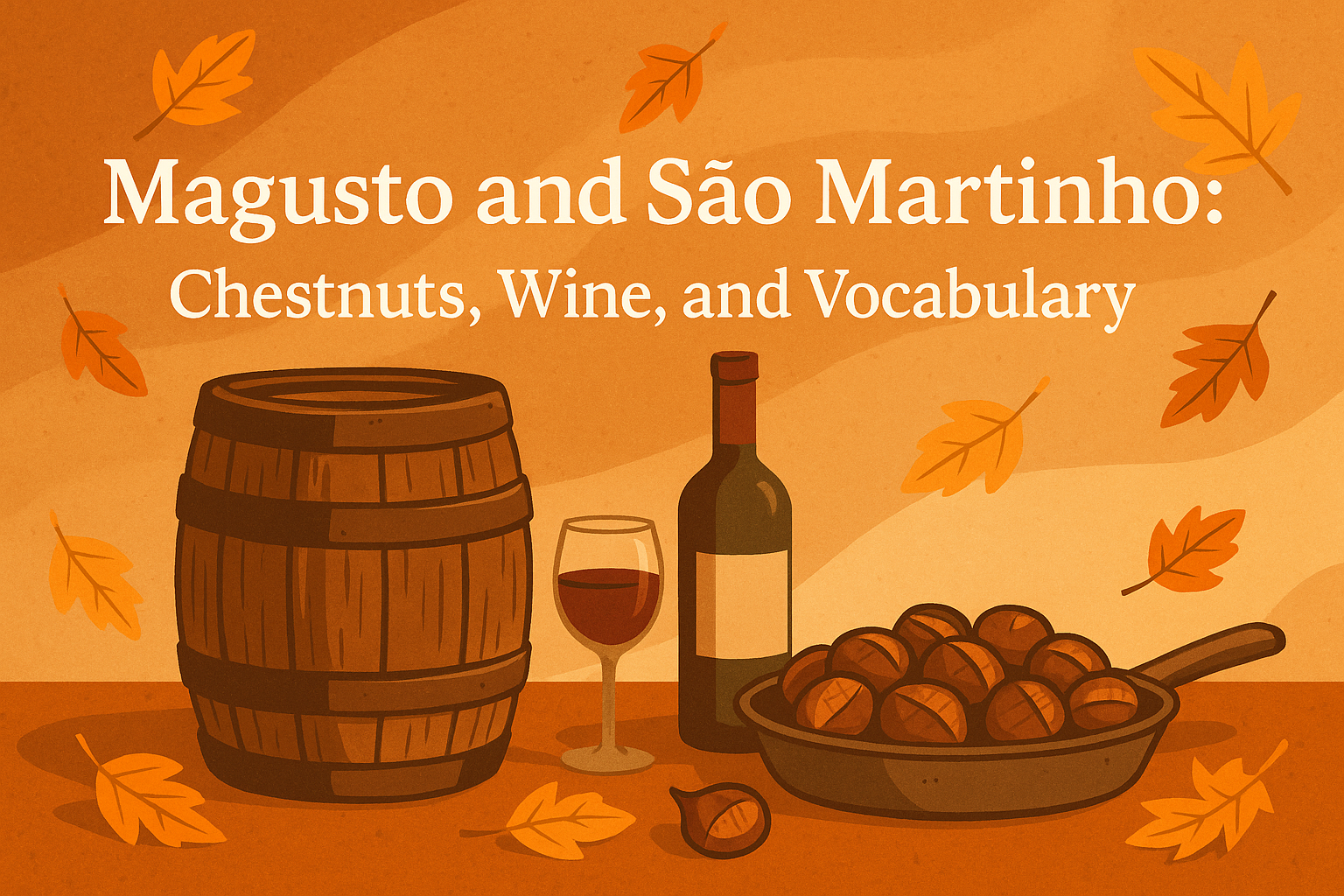
Learn the Portuguese words and traditions behind Magusto and São Martinho — a cosy celebration of chestnuts, wine, and autumn warmth.
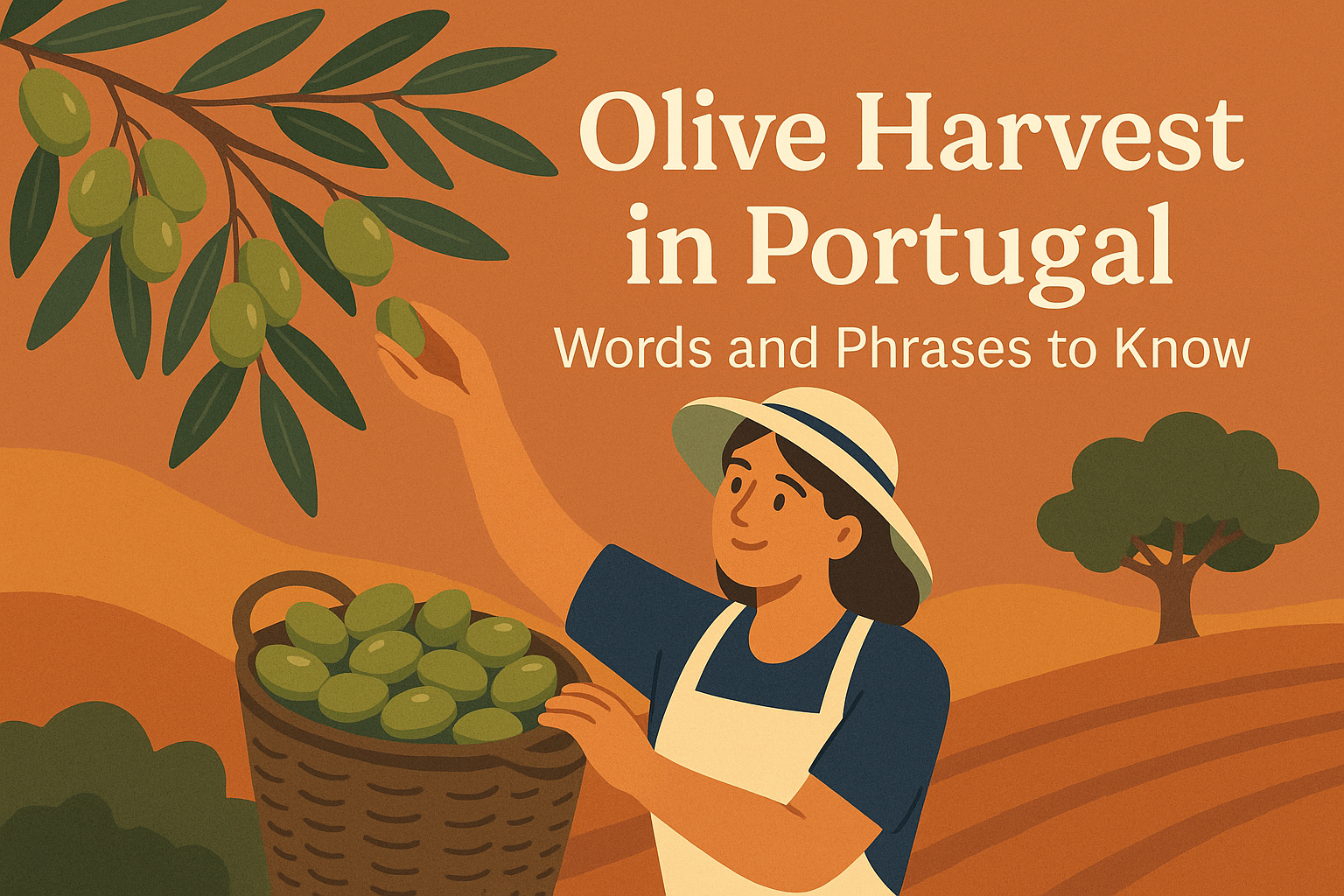
Discover key Portuguese words and expressions connected to the olive harvest — a timeless autumn tradition in Portugal.
From falling leaves to olive harvests, here are some Portuguese words that capture the feeling of autumn in Portugal.
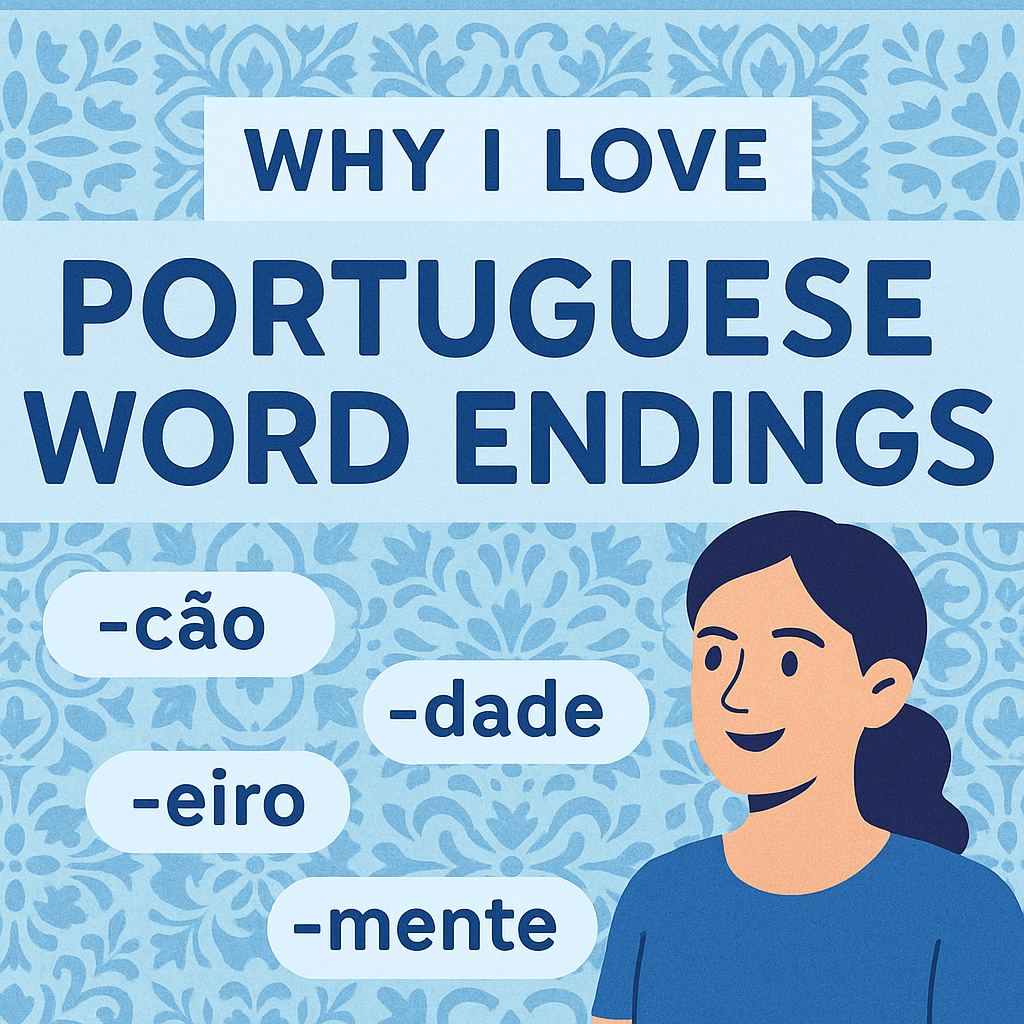
Portuguese word endings aren’t just decoration — they tell you meaning, tone, and even grammar. Here’s why they’re worth noticing.
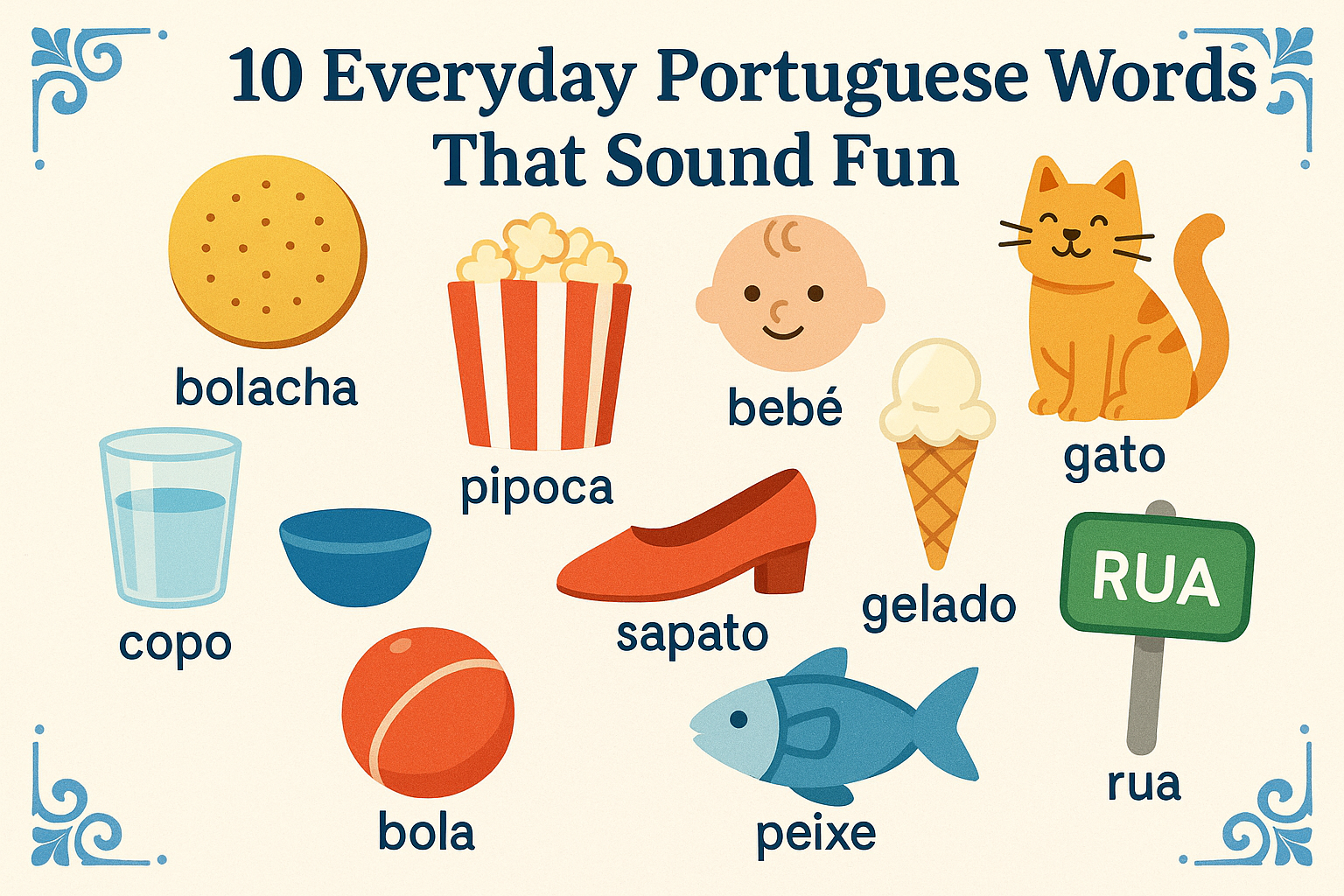
Not all vocabulary is hard! These ten simple Portuguese words are fun to say and easy to remember.